Pages

Friday, 8 July 2011

Brazil's Amnesty Commission: Interview with Paulo Abrão

During the conference we asked National Justice Secretary and President of the Amnesty Commission Paulo Abrão to discuss his work with the commission. 
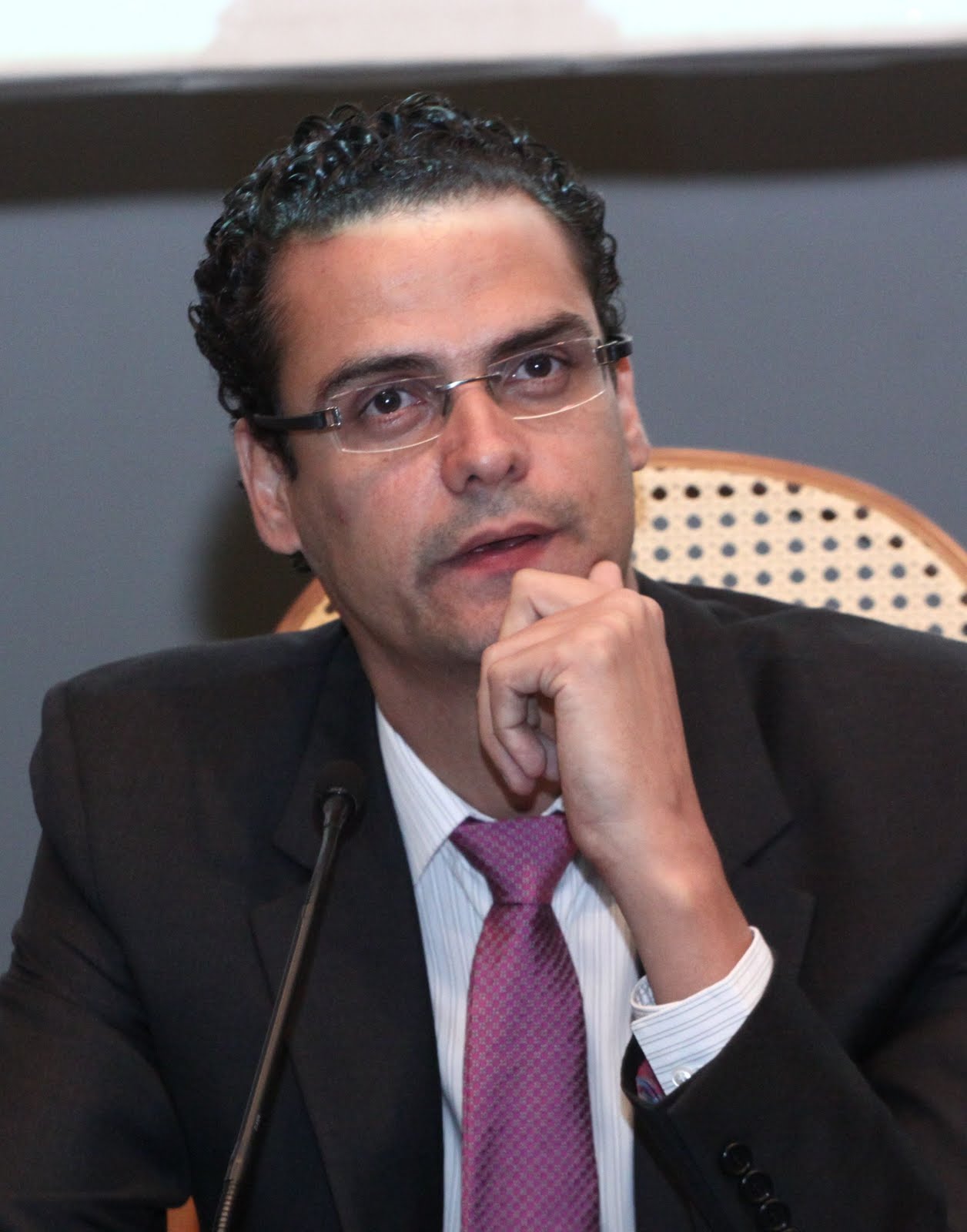
Question: To begin, please give us some background to the work of the Amnesty Commission. How many submissions has it received and what has it accomplished since it was established by President Cardozo in 2001 to compensate victims who bore economic losses for political reasons between the years 1946 and 1988?

Paulo Abrão: The Amnesty Commission is tasked with promoting reparation and recognition—these are its two fundamental tasks—for all those who have been affected by “acts of exception” during the authoritarian regime. Acts of exception are all acts that have distorted the rule of law sphere in the exercise of public liberties and fundamental rights. Therefore, the commission addresses violations of human rights such as torture, arbitrary imprisonment, and banishment.

With regard to its task of promoting victim recognition, the commission works with the concept of declaring political amnesties. The process assumes recognition of the Brazilian population’s right to resist against arbitrary action and, furthermore, the state’s recognition it has failed in its duty to protect fundamental rights. Therefore, over time, the declarations have become somewhat like a public apology to citizens and to society.

Since 2001, 70,000 people have asked for amnesties and we have given about 32,000, half of which included economic reparations, and half of which were symbolic in the form of an official apology.

Regarding reparations, the commission promotes reparation mechanisms typical of victim rehabilitation. It may be the main contribution of the Amnesty Commission—from a quantitative perspective—because of its capacity to bring together a significant number of reports of atrocities that historically have never been compiled before. This allows for a certain plurality as to the forms of reparation given to these victims, which goes way beyond mere economic reparation.

Question: You are also an advisor to the Reference Center for Revealed Memories of the Public Archive and coordinator of the implementation of the Political Memorial project. Can you tell us about the Political Amnesty Memorial project? How does memorialization contribute to accountability in the Brazilian context?

A. The Memories Revealed Project is a reference center that facilitates the identification of documents that are physically located at sites spread throughout the country. It is a tool for researching documents, according to certain themes.

The Amnesty Memorial—which is still being built—functions according to three basic elements. First, it is a place of memory—a representation of the victims’ narrative as a physical concept. Second, the memorial will set a memory policy, as it will pay homage to the victims and give recognition by the state by maintaining a focus on these severe violations, funded and maintained by the Brazilian public authority. And as a third characteristic, the memorial will be a place of consciousness, as it will become a locus for training and education in human rights, especially for future generations. Therefore, both Memories Revealed and the Amnesty Memorial are complementary policies, maintained by the government, along with other local memory initiatives that Brazil is implementing.

Question: Public hearings recently began for Bill 7376/10, which proposes the establishment of a National Truth Commission to investigate the human rights violations that took place between 1946 and 1988. How will a truth commission complement or further the work of the Amnesty Commission?

A. From my point of view, both the Amnesty Commission and the Special Commission for the Dead and Disappeared are truth and reparation committees. What is new and exclusive to the new truth commission being proposed is its specific tasks. The first one, which was not the object of the two previous commissions, is identifying the structure of repression that was established during the authoritarian regime. Specifically, the design of its chain of command and its corresponding authors.

The second is that, according to the bill, this truth commission may identify and name the human rights violators. And the third contribution is that the Brazilian state assumes the obligation to also draft an official narrative of democracy with regard to this authoritarian past, based on the final report of the proposed commission.

Question: Do you think the bill, as it is, will allow the truth commission to fulfill these roles?

A. I believe that a provision that would be essential for improving the current bill would be a clause granting immunity to the members of the commission for eventual judicial decisions. I think that would provide strength to the members of the commission in their difficult, but important tasks. I am one of those who believes that men and women are the ones who make the institutions, and in some ways, the success of the commission depends less on the ideal structuring and much more on the engagement and commitment of the commissioners chosen to sit on it.

Question: There is currently a public debate of the Inter-American Court of Human Rights’ decision that says Brazil’s amnesty law is in contradiction with international law. What is your opinion about this?

A. My opinion is that the Brazilian state has the duty to comply with the decision fully, in all its aspects. The judiciary should now align the content and the foundation of the decision of the Inter-American Court with the content and foundation of the national Supreme Court. I personally do not believe there necessarily is a contraction between these two decisions. That is, a series of political crimes may be pardoned at the national level, whereas the category of crimes against humanity may be investigated.

Question: What do you think are the priorities for the future?

A. Brazil will have particular challenges to face after the approval of the truth commission bill. First, it will have to transform the commission process into a great opportunity for public debate so as to shape a culture that may reject all forms of authoritarianism and all forms human rights violations.

Second, certain institutional reforms should still be implemented, such as security sector and prison reform, which, as I see it, is currently the main locus of human rights violations. In the transition agenda, there is a need to complete a reparation process and a need to diversify policies on public memory, which are still incipient. From the point of view of truth-seeking, it is up to Brazil to approve a law of access to public information and to expand, in the Brazilian legal consciousness, an unrestricted alignment to the Inter-American human rights system.

Conference Slideshow

More photos will be added to the slideshow at the end of the day.

Painel 5: Acesso à informação: Direitos, Limitações e obrigações

A quinta sessão da conferência debruçou-se sobre a Salvaguarda de arquivos e acesso à informação. Os painelistas debateram a obrigação do Estado em preservar arquivos de violações dos direitos humanos e disponibilizar as informações ao público.

Catalina Botero – Relatora especial
pela Liberdade de Expressão, Comissão
Interamericana de Direitos Humanos

Catalina Botero, Relatora especial pela Liberdade de Expressão, Comissão Interamericana de Direitos Humanos (CrIDH) liderou o painel com uma análise de se as vítimas de violações de direitos humanos têm o direito de acesso à informação sobre tais violações, se há limitações a este direito e quais obrigações os estados têm em garantir tal direito. Há pelo menos quatro argumentos que respaldam o acesso à informação como um direito, disse.

Em primeiro lugar, a informação de antigas violações contra direitos humanos serve como prova em julgamentos penais, o que as torna necessárias para a devida implementação da justiça. Negar o acesso a esta informação seria negar o acesso ao direito de justiça.

Em segundo lugar, negar às famílias dos desaparecidos a informação quanto ao paradeiro de seus parentes e entes queridos perpetua seu sofrimento, e, portanto, agrava o tratamento cruel e incomum.

Terceiro, construir uma narrativa sobre o que ocorreu durante períodos de atrocidades em massa é crucial para garantir uma transição bem sucedida à democracia e ao respeito pelos direitos humanos. Os arquivos são essenciais para a construção de uma narrativa precisa e completa.

O quarto argumento diz que manter arquivos confidenciais é crucial para manter a segurança nacional. O conhecimento de atrocidades do passado não pode ameaçar a ideia democrática da segurança, disse Catalina. Ao contrário, o acesso à informação serve para proteger direitos futuros, o que fortalece a segurança nacional.

Ela concluiu salientando duas exceções ao direito de acesso à informação e discutindo a obrigação das nações em fornecer acesso aos arquivos. A informação pode ser retida quando violar um direito individual à privacidade e quando possa comprometer uma investigação em andamento, argumentou, embora tais exceções sempre sejam temporárias ou parciais. Os Estados têm a obrigação de usar tais exceções somente quando necessário para proteger o bem maior.

Gustavo Meoño, diretor do Arquivo Histórico da Polícia Nacional da Guatemala, discutiu a experiência de seu país com a descoberta e preservação de arquivos de mais de 80 milhões de documentos de 1882 a 1997. Estes arquivos incluíam a informação sobre violações a direitos humanos pelo exército e a polícia guatemaltecos, basicamente contra populações indígenas na Guatemala.

Ele compartilhou as lições aprendidas quanto à preservação, digitalização e facilitação do acesso ao público a tal informação, e discutiu as sensibilidades políticas e de segurança enfrentadas pelos arquivos nacionais na execução deste processo. Até hoje, dezenas de milhares de documentos foram disponibilizados às vítimas e famílias dos desaparecidos e pesquisadores e foram usados como prova em julgamentos de direitos humanos.

Jaime Antunes, diretor geral do Arquivo Nacional do Rio de Janeiro, aplicou o que foi discutido anteriormente no caso do Brasil, e afirmou que o interesse dos Arquivos Nacionais é tornar os documentos disponíveis públicos.

Sua discussão focou-se na preocupação quanto à destruição dos documentos. Durante consulta ao Arquivo Nacional e ao exército para discutir possíveis riscos à segurança, representantes disseram que muitos documentos foram tidos como sem mais necessidade pelo governo e foram destruídos. Antunes diz que isto viola a legislação brasileira quanto aos processos por meio dos quais documentos podem ser destruídos.


A discussão após o debate incluiu questões sobre a parcialidade e a legalidade da informação contida nos arquivos, a destruição dos documentos e qual é a responsabilidade do Estado em tais situações, o processo brasileiro de reconstruir arquivos e esclarecimentos na relação entre a segurança do Estado e o acesso à informação.

Session 5: Access to Information: Rights, Limitations, and Obligations

Session five of the conference focused on Safeguarding archives and access to information. Panelists debated states’ obligation to preserve archives of human rights violations and make information available to the public.


Catalina Botero - Special Rapporteur
for Freedom of Expression, Inter-American
Commission on Human Rights
Catalina Botero, Special Rapporteur for Freedom of Expression, Inter-American Commission on Human Rights (IACHR) led the panel with an analysis of whether victims of human rights violations have the right to access information on these violations, whether there are limitations to this right, and what obligations states have to deliver this right.

There are at least four arguments that support access to information as a right, she said.

First, information on past human rights violations serves as evidence in criminal trials, which makes it necessary to the successful implementation of justice. To deny access to this information would deny the right to justice.

Second, to deny families of the disappeared information of the whereabouts of their relatives and loved ones perpetuates their suffering, and is therefore tantamount to cruel and unusual treatment.

Third, building a narrative about what happened during periods of mass atrocity is crucial to ensuring a successful transition to democracy and respect for human rights. Archives are essential to the construction of an accurate and complete narrative.

The fourth argument counters the idea that keeping archives classified is critical to maintain national security. Knowledge of past atrocities cannot threaten a democratic idea of security, Botero argued. Rather, access to this information serves to protect and promote future rights, thus strengthening national security.

She concluded by highlighting two exceptions to the right to access to information and discussing the obligation states have to provide access to archives. Information can be withheld when the information violates an individual’s right to privacy and when it has the potential to compromise an ongoing investigation, she argued, although these exceptions will always be temporary or partial. States have the obligation to use these exceptions only when necessary to protect the greater good.

Gustavo Meoño , director of the Historical Archive of the National Police of Guatemala, discussed Guatemala’s experience with the discovery and preservation of archives of over 80 million papers from 1882–1997. These archives included information about human rights violations perpetrated by the Guatemalan army and police, primarily against indigenous populations in Guatemala.

He shared the lessons learned in preserving, digitizing and facilitating public access to this information, and discussed political and security sensitivities faced by the national archives in executing this process. To date, tens of thousands of documents have been made available to victims and families of the disappeared and researchers, and have been used in human rights trials as evidence.

Jaime Antunes, general director of the National Archive of Rio de Janeiro, applied what was discussed previously to the case of Brazil, and stated that the interest of the National Archives is to make the available documents public.

His discussion focused on the concern of the destruction of documents. During consultations between the National Archives and the army to discuss possible security risks, officials said that many documents were deemed no longer needed by the government, and were destroyed. Antunes argued this is in violation of a Brazilian law regulating the processes in which documents can be destroyed.


The discussion following the debate included questions about partiality and legality of information contained in archives, the destruction of documents and what the state’s responsibility is in such situations, Brazil’s process in reconstructing archives, and clarifications on the relationship between state security and access to information.

Painel 4: O peso da obrigação do Estado

A sexta-feira começou com uma sessão sobre justiça criminal: As Leis de Anistia e a Corte Interamericana de Direitos Humanos (CrIDH), o impacto da jurisprudência internacional na apuração das violações dos direitos humanos no país.

Victor Prado Saldarriaga,
juiz da Suprema Corte do Peru
A apresentação central deste painel foi feita por Victor Prado Saldarriaga, juiz da Suprema Corte do Peru. O palestrante começou listando alguns dos pontos feitos pelo palestrante de honra, Juan Mendez sobre o direito à justiça. Ele salientou que a doutrina internacional contra a impunidade advém de certos princípios básicos: o direito fundamental à verdade; o direito de reparação; e o direito de remediação judicial.

Dr. Prado Saldarriaga enfatizou que as anistias usadas para reconciliação após conflitos violentos não deveriam ser construídas como verdadeiros mecanismos de impunidade que impedem o devido processo dos crimes contra a humanidade.

Ele então descreveu três tipos de lei de anistia que foram usados tradicionalmente na América Latina: (1) tradicional, (2) anistia geral ou auto-anistia, e (3) anistias negociadas. Os dois últimos tipos são os que mais são mal usados e acabam levando à impunidade por crimes contra a humanidade.

Ele usou sua experiência no Peru, em que foi um dos juízes que proferiu sentença contrária ao ex-presidente Alberto Fujimori, para exemplificar os usos inadequados das anistias. No Peru, a anistia foi dada a membros do exército por quaisquer crimes que pudessem ter sido cometidos na luta contra o terrorismo. O Congresso evitou que juízes protegessem a constituição forçando-os a aplicar a anistia sem questionamentos.

A apresentação do Victor Prado Saldarriaga

Gustavo Gallón, diretor da Comissão Colombiana de Juristas, falou em seguida. Ele primeiro focou na questão de por quê certos crimes podem ser anistiados e outros não.

Ele explicou que o Estado possui poder judiciário e, portanto tem o direito de dar anistia por crimes contra si próprio. Entretanto, o Estado não pode perdoar crimes que tenham sido cometidos contra outrem: crimes contra a humanidade afetam os direitos que o Estado deve garantir, ao invés de derrogar, portanto, o Estado não pode perdoá-los.

Ele discutiu a experiência colombiana, onde muitas violações de uma guerra civil do final dos anos 1940 receberam anistia, abrindo espaço para mais violações. O uso de anistias em violações de direitos humanos continuou – abertamente ou de modo oculto. Iniciando-se em 2002, com as negociações entre o governo colombiano e grupos paramilitares, o governo aprovou uma legislação que de fato impedia a investigação efetiva e a persecução de crimes em massa. Isto resultou em um clima de impunidade e mais violações.

Gilda Pereira de Carvalho, Subprocuradora Geral da República e Procuradora Federal dos Direitos do Cidadão foi a próxima palestrante.

Ela centrou sua fala especificamente na Lei de Anistia do Brasil. Ela explicou que a lei era uma anistia negociada. Diferente de outros países na América Latina, o governo criou uma lei sem expressar a tipificação dos crimes; a interpretação da anistia resultou em uma situação de impunidade para atores do Estado.

Marlon Weichert, Procurador regional
da República em São Paulo
Ela disse que o Brasil deveria implementar a decisão da CrIDH sobre a lei de anistia do país (“Gomes Lund v. Brasil”) e se abster é agir contra suas obrigações internacionais. Ela lembrou a platéia de que não há limitação legal para os crimes contra a humanidade e que devem ser investigados, processados e punidos.

A palestrante explicou que a posição dos promotores brasileiros reconhece a decisão da CrIDH; especificamente quanto à recente sentença da 2ª Câmara de Coordenação e Revisão Criminal que respaldou os promotores de São Paulo a iniciarem inquéritos em casos de desaparecimentos forçados.

A última painelista foi Deisy Ventura, professora do Instituto de Relações Internacionais e coordenadora do Idejust, uma rede de pesquisa. Ela centrou-se nas obrigações internacionais do Brasil. O Brasil faz parte do Estatuto de Roma e da CrIDH, embora a Suprema Corte (que validou a lei de anistia em um acórdão no ano passado) não leva esta jurisprudência em consideração.

A discussão pautou-se sobre como a Lei de Anistia do Brasil pode ser interpretada e nas obrigações legais internacionais do Brasil.

Session 4: The Weight of State Obligation

Friday began with a session on criminal justice: Amnesty laws and the Inter-American Court of Human Rights, the impact of international jurisprudence in the domestic prosecution of human rights violations.
Victor Prado Saldarriaga - Justice of
the Supreme Court of Justice of Peru.

The central presentation of this panel was given by Victor Prado Saldarriaga, judge of the Supreme Court of Peru. He began by echoing some of the points made by the keynote speaker, Juan Mendez about the right to justice. He remarked that the international doctrine against impunity is born from certain basic principles: the fundamental right to the truth; the right to reparation; and the right to judicial remedy.

Dr. Prado Saldarriaga emphasized that amnesties used for reconciliation after violent conflict should not be constructed as impunity mechanisms preventing the prosecution of crimes against humanity.

He then described three types of amnesty law that have been traditionally used in Latin America: (1) traditional, (2) blanket or self-amnesties, and (3) negotiated amnesties. The last two types are those most commonly misused to grant immunity for crimes against humanity.

He used his experience in Peru, where he was one of the judges that sentenced former president Alberto Fujimori, to illustrate the uses of improper amnesties. In Peru, amnesty was given to members of the army for any crimes that could have been committed in the fight against terrorism. Congress prevented judges from protecting the constitution, forcing them to apply the amnesty without any questioning.

View Victor Prado Saldarriaga's presentation (PDF file)

Gustavo Gallon, director of the Colombian Commission of Jurists, spoke next. He focused first on the question of why some crimes can be amnestied and others cannot.

He explained that the state is entitled with judicial power and therefore has the right to give amnesties for crimes committed against itself. However, the state cannot forgive crimes that have been committed against others: crimes against humanity affect rights that the state must guarantee, not derogate. Therefore, the state cannot forgive them.

He discussed the Colombian experience, where the massive violations of a civil war at the end of the 40s received an amnesty, laying the foundation for more violations. The use of amnesties for human rights violations has continued –openly or in a hidden manner. Starting in 2002, with the negotiations between the Colombian government and paramilitary groups, the government passed legislation that effectively impeded the effective investigation and prosecution of mass crimes. This has resulted in a climate of impunity and continued violations.


Gilda Pereira de Carvalho, Deputy Attorney General and Federal Attorney for Citizen Rights of the Public Prosecutors Office, spoke next.

She focused specifically on Brazil’s amnesty law. She explained that the law was a negotiated amnesty. Unlike other countries in Latin America, the government created the law without making explicit the types of crimes it covers; the interpretation of the amnesty has resulted in a situation of impunity to state agents.

She argued that Brazil should implement the decision of the IACHR about Brazil’s amnesty law (“Gomes Lund v. Brazil”) and refrain from acting against its international obligations. She reminded the audience that there is no statutory limitation to crimes against humanity and they must be investigated, prosecuted and punished.

Debate moderator  Marlon Weichert -
Federal Prosecutor for São Paulo State
She explained that the position of Brazil’s prosecutors recognizes the IACHR decision; specifically given that a recent decision of the 2nd Chamber of Coordination on Criminal Matters gave jurisdiction to Sao Paulo prosecutors to engage in a criminal investigation on cases of forced disappearances.

The final panelist was Deisy Ventura, professor at the Institute of International Relations and coordinator of Idejust, a research network. She focused on Brazil’s international obligations. Brazil is a party to the Rome Statute and to the IACHR, yet the Supreme Court (which validated the amnesty law in a decision last year) is not taking this jurisprudence into account.

The discussion focused on how Brazil’s amnesty law can be interpreted and Brazil’s
international legal obligations.

Watch the event online


Try Ustream's free video streaming desktop app
 
Custom blog design by Blogger Boutique.